HACCP Certification in Saudi Arabia – Food Safety Requirements, SFDA Controls & Compliance | Get Certified with SCS
https://scscertification.com/contactus.php
Saudi Arabia's food sector includes manufacturers, food and water factories, restaurants, catering companies, hotels, bakeries, dairy processors, seafood businesses, warehouses, distributors and other food-chain organizations. For these businesses, effective hazard identification and food-safety controls are essential for protecting consumers and meeting applicable regulatory and customer requirements.
HACCP certification in Saudi Arabia provides a systematic approach to identifying food-safety hazards, determining critical control points and establishing controls for preventing or reducing food-safety risks.
For Saudi businesses, HACCP should also be considered alongside applicable Saudi Food and Drug Authority (SFDA) requirements, food-establishment licensing, product requirements and other legal or customer obligations.
A particularly important Saudi requirement is the SFDA circular concerning the mandatory application of the HACCP system to food and water factories in all regions of the Kingdom. The SFDA currently lists this circular as active.
What Is HACCP Certification in Saudi Arabia?
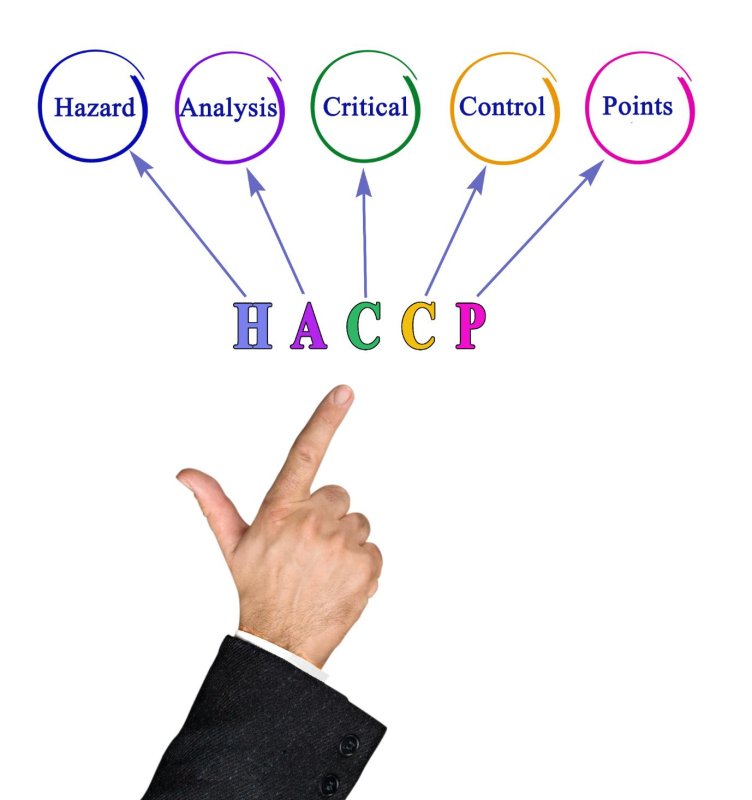
HACCP stands for Hazard Analysis and Critical Control Points.
It is a preventive food-safety system designed to identify significant biological, chemical and physical hazards and establish controls at points where those hazards can be prevented, eliminated or reduced to acceptable levels.
A HACCP system normally addresses:
- Hazard analysis
- Prerequisite programmes
- Identification of critical control points
- Critical limits
- Monitoring
- Corrective action
- Verification
- Records and documented evidence
HACCP is therefore more than a food-safety checklist. The controls should operate within the organization's actual production, preparation, storage, transportation or service activities.
For Saudi organizations seeking HACCP certification, the certification scope should clearly reflect the products, processes, sites and food activities being assessed.
HACCP Requirements in Saudi Arabia
HACCP requirements should be established according to the organization's activities, products and applicable Saudi regulations.
A practical HACCP system should address:
1. Hazard Analysis
The organization identifies reasonably foreseeable food-safety hazards associated with:
- Raw materials
- Ingredients
- Processing
- Food preparation
- Equipment
- Personnel
- Storage
- Transportation
- Packaging
- Distribution
Hazards can include biological, chemical and physical hazards. Allergen and cross-contamination risks should also be considered where applicable.
2. Critical Control Points
The organization determines where control is essential to prevent, eliminate or reduce a significant food-safety hazard.
Examples can include:
- Cooking
- Chilling
- Pasteurization
- Metal detection
- Temperature-controlled storage
- Product handling
The actual critical control points depend on the organization's hazard analysis.
3. Critical Limits
Each applicable CCP should have defined limits that can be monitored.
Depending on the process, these may relate to:
- Temperature
- Time
- pH
- Processing conditions
- Detection capability
- Other measurable parameters.
4. Monitoring
The organization should establish procedures for monitoring CCPs and maintaining appropriate records.
5. Corrective Action
When a critical limit is not met, the organization should have a defined response for controlling affected product and correcting the underlying problem.
6. Verification
Verification activities help confirm that the HACCP system is working as intended.
These can include:
- Record review
- Internal checks
- Testing where appropriate
- Calibration
- Audits
- Validation of controls.
7. Documentation and Records
Records should provide evidence that the HACCP controls are being implemented and monitored.
SFDA HACCP Requirements in Saudi Arabia
The Saudi Food and Drug Authority (SFDA) is central to food-safety regulation in Saudi Arabia.
The most important HACCP-specific regulatory point for this article is the SFDA circular titled “Application of the HACCP System on a Mandatory Basis to Food and Water Factories in All Regions of the Kingdom.” SFDA currently identifies the circular as active.
This means businesses operating food and water factories should pay particular attention to HACCP implementation and evidence of effective food-safety controls.
The requirement should not be interpreted as meaning that every type of Saudi food business has exactly the same HACCP obligation. Regulatory requirements depend on the activity, products, establishment type and applicable SFDA requirements.
What Should Food Factories Prepare?
A food factory should be able to demonstrate appropriate controls covering areas such as:
- Raw-material receiving
- Production processes
- Personnel hygiene
- Cleaning and sanitation
- Pest control
- Equipment and maintenance
- Temperature controls
- Cross-contamination prevention
- Product identification
- Traceability
- CCP monitoring
- Corrective action
- Verification
- HACCP records.
The exact controls should be established from the organization's products and hazard analysis.
Saudi Food Establishment Registration and HACCP Compliance
HACCP certification and SFDA registration or licensing are not the same thing.
Saudi food businesses should identify the regulatory registrations, licences and approvals applicable to their activities in addition to establishing food-safety controls.
SFDA's food regulations state that food business establishments are required to register their information with SFDA according to applicable registration conditions and procedures, and food establishments should not commence food activities before the applicable registration requirements are fulfilled.
SFDA's food-establishment information also covers businesses such as local food manufacturers, warehouses and distribution centres.
Therefore:
SFDA regulatory registration ≠ HACCP certification
A business should determine both:
- What regulatory requirements apply to the establishment?
- What HACCP controls and certification requirements apply to its food-safety activities?
For some products, SFDA documentation may also request evidence such as a HACCP certificate, GMP certificate or ISO 22000 certification.
HACCP Controls for Saudi Food Businesses
A Saudi HACCP system should be practical and linked to the organization's actual operations.
Important controls may include:
Raw Materials
- Approved suppliers
- Incoming inspection
- Specifications
- Temperature checks
- Supplier controls
- Traceability.
Production
- Process controls
- CCP monitoring
- Hygiene
- Equipment controls
- Prevention of cross-contamination.
Storage
- Temperature monitoring
- Stock rotation
- Product identification
- Pest control
- Cleaning
- Segregation where required.
Transportation
- Vehicle hygiene
- Temperature control
- Product protection
- Loading controls
- Traceability.
Personnel
- Personal hygiene
- Food-safety training
- Competence
- Health and hygiene controls appropriate to the activity.
Product Traceability
The organization should be able to identify relevant products, batches or other traceability information appropriate to its operations and regulatory requirements.
HACCP Certification for Food Manufacturing in Saudi Arabia
Food manufacturing is one of the most important applications for HACCP certification in Saudi Arabia.
Manufacturers may need HACCP controls for:
- Raw-material receiving
- Ingredient handling
- Processing
- Cooking
- Cooling
- Packaging
- Storage
- Product release
- Distribution.
This is particularly important for manufacturers producing products where biological, chemical or physical hazards can arise during processing.
For food and water factories, businesses should give particular attention to the applicable SFDA HACCP requirement.
HACCP Certification for Water Factories in Saudi Arabia
Water factories have specific food-safety considerations relating to:
- Source water
- Treatment processes
- Filtration
- Disinfection
- Packaging
- Storage
- Equipment hygiene
- Environmental conditions
- Product testing and monitoring.
Because the SFDA HACCP circular specifically addresses food and water factories across Saudi Arabia, HACCP implementation should be treated as an important compliance consideration for applicable water establishments.
HACCP Certification for Restaurants and Catering Companies
Restaurants, central kitchens and catering businesses can use HACCP to control hazards throughout food preparation and service.
Important control areas may include:
- Receiving
- Cold storage
- Food preparation
- Cooking
- Cooling
- Reheating
- Hot holding
- Cold holding
- Cross-contamination
- Allergen controls
- Personal hygiene
- Cleaning and sanitation.
For catering operations, HACCP can also cover food transportation and service at customer locations.
HACCP Certification for Hotels and Hospitality Businesses
Hotels with substantial food operations may implement HACCP across relevant:
- Hotel kitchens
- Restaurants
- Buffets
- Banqueting
- Central kitchens
- Food storage
- Catering operations.
The certification scope should identify the actual activities being assessed rather than automatically covering every hotel function.
HACCP Certification for Bakeries and Food Processing Businesses
Bakeries and food-processing businesses can apply HACCP controls to hazards associated with:
- Ingredients
- Mixing
- Processing
- Baking
- Cooling
- Packaging
- Storage
- Distribution.
Allergen management can be particularly important where products contain or may come into contact with ingredients such as wheat, milk, eggs, nuts or other allergens.
HACCP Certification for Dairy, Meat and Seafood Businesses
HACCP is particularly relevant to businesses handling products where temperature, microbiological contamination and cross-contamination are significant food-safety considerations.
Dairy Businesses
Controls may include:
- Milk receiving
- Temperature management
- Processing
- Pasteurization where applicable
- Hygiene
- Packaging
- Refrigerated storage.
Meat and Poultry Businesses
Controls may include:
- Receiving
- Chilled/frozen storage
- Processing
- Hygiene
- Cross-contamination prevention
- Temperature management
- Traceability.
Seafood Businesses
Controls may include:
- Receiving
- Temperature control
- Processing
- Storage
- Hygiene
- Traceability
- Product handling.
HACCP Certification for Food Warehouses and Distribution
Food warehouses and distribution centres need controls appropriate to storage and handling activities.
These may include:
- Temperature monitoring
- Cleaning
- Pest control
- Product identification
- Stock rotation
- Loading and unloading
- Traceability
- Transportation controls.
SFDA regulatory campaigns have included inspections of food warehouses, sales outlets and distribution centres, including checks relating to transportation, storage and product tracking.
HACCP Certification for Food Importers and Exporters
Food importers and exporters may have additional supply-chain requirements.
Relevant controls can include:
- Supplier approval
- Product specifications
- Incoming inspection
- Traceability
- Storage
- Temperature control
- Documentation
- Product release
- Transportation
- Withdrawal or recall procedures.
Businesses exporting food to Saudi Arabia should separately check the SFDA's applicable import requirements. SFDA provides requirements and procedures for foreign establishments exporting food to the Kingdom.
HACCP certification does not automatically replace all import, export, product registration or regulatory requirements.
HACCP Certification in Riyadh, Jeddah, Dammam and Other Saudi Locations
SCS can support organizations seeking HACCP certification in Saudi Arabia across major commercial and industrial locations.
HACCP Certification in Riyadh
Relevant businesses include:
- Food manufacturers
- Catering companies
- Restaurants
- Hotels
- Food warehouses
- Distributors
- Food-service businesses.
HACCP Certification in Jeddah
HACCP can be relevant to businesses involved in:
- Food manufacturing
- Food distribution
- Seafood
- Hospitality
- Catering
- Warehousing
- Import and export.
HACCP Certification in Dammam and the Eastern Province
Businesses in Dammam, Dhahran, Al Khobar and surrounding industrial markets can consider HACCP for:
- Food manufacturing
- Catering
- Warehousing
- Distribution
- Food-service operations.
HACCP Certification in Jubail
HACCP can support food suppliers, industrial catering operations, food-service companies and other applicable food businesses operating in Jubail.
HACCP Certification in Makkah and Madinah
Hospitality, catering, central kitchens, restaurants and food-service businesses serving high-volume customer populations can benefit from structured HACCP controls.
Other Saudi Locations
HACCP certification can also be relevant to organizations in:
- Qassim
- Tabuk
- Abha
- Jazan
- Taif
- Al Ahsa
- Yanbu
- Northern Saudi Arabia
- Other Saudi cities and industrial areas.
The certification scope should always reflect the organization's actual activities and locations.
HACCP Documentation Required in Saudi Arabia
The documentation should be appropriate to the size and complexity of the business.
Typical HACCP documentation may include:
- HACCP scope
- Food-safety team responsibilities
- Product descriptions
- Process flow diagrams
- Hazard analysis
- CCP determination
- Critical limits
- Monitoring records
- Corrective-action records
- Verification records
- Relevant prerequisite procedures
- Traceability records.
The exact documents depend on the business and certification scope.
HACCP Certification Process in Saudi Arabia
The typical certification process can include:
Step 1: Define the Scope
Identify products, processes, sites and activities to be covered.
Step 2: Review Saudi Requirements
Identify applicable SFDA, legal, regulatory, customer and contractual requirements.
Step 3: Conduct a HACCP Gap Assessment
Compare current food-safety controls against applicable HACCP requirements.
Step 4: Develop or Improve HACCP Controls
Establish hazard analysis, CCPs, critical limits, monitoring, corrective action and verification.
Step 5: Implement the System
Put the HACCP controls into actual operation and generate evidence.
Step 6: Conduct Internal Verification
Review whether controls are operating effectively.
Step 7: Certification Audit
An independent certification body assesses the applicable certification requirements and the organization's implemented HACCP system.
Step 8: Certification Decision
Where the applicable requirements are satisfied, certification can proceed according to the certification body's process.
HACCP Certification Cost in Saudi Arabia
There is no single HACCP certification cost in Saudi Arabia applicable to every organization.
The quotation can depend on:
- Number of employees
- Number of sites
- Certification scope
- Products
- Food-sector activity
- Process complexity
- Number of shifts
- Existing HACCP controls
- Audit requirements.
A small bakery, restaurant, food warehouse and multi-site food manufacturer can have substantially different certification requirements.
For an accurate quotation, businesses should provide their location, activities, number of employees and proposed HACCP scope.
Benefits of HACCP Certification for Saudi Businesses
The main benefits are straightforward:
- Better hazard control – Identifies and controls significant food-safety risks.
- Improved process consistency – Establishes defined food-safety controls.
- Regulatory readiness – Helps organizations demonstrate structured food-safety practices.
- Customer confidence – Provides independent evidence of HACCP implementation.
- Traceability support – Strengthens monitoring and product-control arrangements.
- Market opportunities – Can support customer, supply-chain and contractual requirements.
The value depends on how effectively the HACCP system is implemented and maintained.
HACCP and ISO 22000 in Saudi Arabia
HACCP and ISO 22000 should not be treated as identical.
HACCP focuses specifically on identifying and controlling significant food-safety hazards.
ISO 22000 provides a broader Food Safety Management System framework that incorporates hazard-control principles together with management-system requirements.
A Saudi business with effective HACCP controls may have a useful foundation for ISO 22000, but HACCP certification does not automatically mean that all ISO 22000 requirements have been met. SCS's separate Saudi ISO 22000 article covers the broader FSMS requirements and should remain the primary SCS resource for that search intent.
HACCP Certification and Accreditation in Saudi Arabia
When selecting a certification provider, businesses should distinguish between certification and accreditation.
The Saudi Accreditation Center (SAAC) identifies HACCP as a food-industry conformity-assessment area and separately identifies ISO/IEC 17021-1 requirements relevant to certification bodies operating in the food-industry sector.
For a Saudi business, the important considerations include:
- Certification scope
- Competence of auditors
- Certification-body status
- Applicable accreditation scope
- Impartiality
- Audit process
- Certificate validity and verification.
Businesses should verify that the certification arrangement and scope are appropriate for the HACCP activity they require.
Why Choose SCS for HACCP Certification in Saudi Arabia?
SCS provides certification services across Saudi Arabia and lists HACCP among its food-safety certification services.
Before requesting a quotation, businesses should be ready to provide:
- Company activity
- Food products
- Location
- Number of employees
- Number of sites
- Existing HACCP arrangements
- Proposed certification scope
- Relevant regulatory or customer requirements.
This information helps establish the appropriate certification requirements.
Get HACCP Certification in Saudi Arabia with SCS
Whether your business operates in Riyadh, Jeddah, Dammam, Al Khobar, Jubail, Makkah, Madinah, Qassim, Tabuk, Jazan, Abha, Taif or another Saudi location, HACCP certification should begin with a clear understanding of your food-safety hazards, processes and applicable regulatory requirements.
For food manufacturers, food and water factories, restaurants, catering companies, hotels, bakeries, dairy businesses, meat and seafood processors, food warehouses, distributors, importers and exporters, SCS can discuss the appropriate HACCP certification requirements.
Ready to discuss your HACCP certification requirements?
Contact SCS for HACCP Certification
https://scscertification.com/contactus.php
|
UAE |
Saudi Arabia |
UK |
Canada |
India |
|
SCS Certification6th Floor Salaam Bldg, Office 9 Al Marakib St, Al Danah, Zone 1,Abu Dhabi, UAE. |
SCS Certification (Partners)7713, King Abdulaziz Street, Al Dawasir, Dammam, 32416Kingdom of Saudi Arabia |
SCS CERTIFICATION EUROPE LIMITED Office 6996,58 Peregrine Road, Hainault, Ilford, Essex, United Kingdom IG6 3SZ. |
SCS Certification (E) Limited Oaklea Blvd, Brampton, ONL6Y 5A2, Canada. |
Chennai: Building bearing No.19/35, V 270,Situated on First Floor, Mount Road, Little Mount, Chennai – 600015, India. Bangalore: Bangalore, Karnataka, India. |
Need HACCP Certification for Your Food Business?
Speak with our certification specialists to understand certification requirements, audit process, implementation timelines and accredited certification services.
Frequently Asked Questions
Request a HACCP Certification Quote from SCS