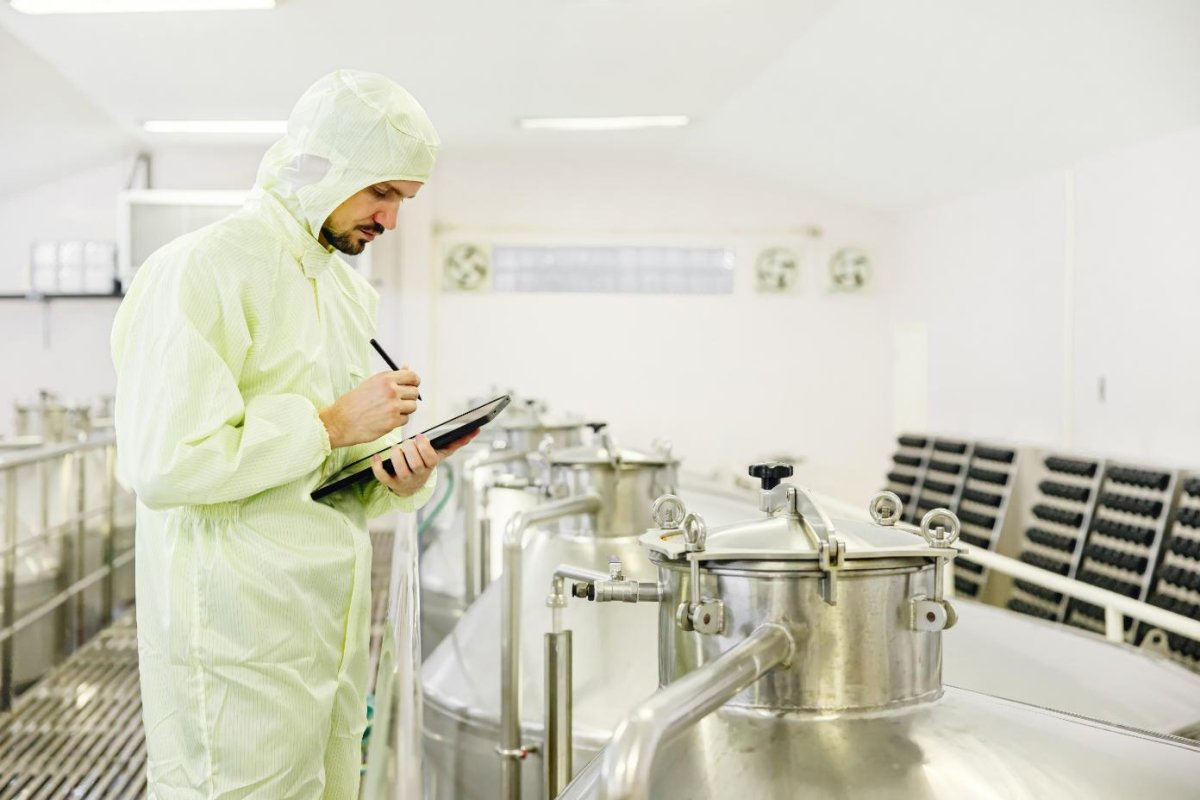
HACCP Certification in Malaysia – Food Safety Requirements, MS 1480:2025 & Get Certified with SCS
SCS Certification – Malaysia Office
SCS Certification
Jalan Pinang
50450 Kuala Lumpur
Malaysia
Phone: +60 11 6263 6611
Enquiry: Contact SCS Certification
http://www.scscertification.com/contactus.php
HACCP certification in Malaysia is an important food-safety consideration for food manufacturers, processors, seafood businesses, meat and poultry companies, bakeries, beverage producers, catering businesses, central kitchens, food exporters, cold-chain operators and other organizations involved in food production and handling.
HACCP, or Hazard Analysis and Critical Control Point, is a preventive food-safety system designed to identify significant biological, chemical and physical hazards and control them at the stages where control is essential.
Malaysia has a specific food-safety regulatory framework administered by the Ministry of Health Malaysia (MOH/KKM) through the Food Safety and Quality Programme. The framework includes the Food Act 1983 and its subsidiary regulations, including the Food Regulations 1985 and Food Hygiene Regulations 2009.
Malaysia also operates an official HACCP Certification Scheme administered by the Ministry of Health. The scheme is open to food-premise operators involved in food manufacturing and requires implementation of HACCP and prerequisite programmes in accordance with the applicable Malaysian Standards.
For businesses planning HACCP certification in Malaysia, understanding the Malaysian requirements is therefore more useful than relying on a generic international HACCP checklist.
Need help determining your HACCP certification requirements in Malaysia? Contact SCS to discuss your scope and certification needs.
Contact SCS for HACCP Certification
What Is HACCP Certification in Malaysia?
HACCP certification provides independent recognition that an organization's food-safety controls have been assessed against the applicable HACCP requirements within a defined scope.
The system focuses on prevention rather than relying only on finished-product inspection.
A HACCP system normally addresses three major categories of hazards:
- Biological hazards – bacteria, viruses, parasites and other microorganisms
- Chemical hazards – allergens, cleaning chemicals, pesticide residues, toxins and other contaminants
- Physical hazards – metal, glass, plastic, stones and other foreign materials
The HACCP approach is built around seven principles:
- Conduct hazard analysis
- Determine Critical Control Points (CCPs)
- Establish critical limits
- Establish monitoring procedures
- Establish corrective actions
- Establish verification procedures
- Establish documentation and records
For Malaysian organizations, these principles need to be applied to the actual products, processes, premises and food-safety risks rather than copied from a generic template.
Malaysia MOH HACCP Certification Scheme
Malaysia has an official HACCP certification scheme operated by the Ministry of Health's Food Safety and Quality Programme.
The scheme provides formal recognition to food premises that implement and maintain HACCP systems for their food products. The MOH scheme is specifically applicable to food-premise operators involved in food manufacturing.
The current MOH application conditions include requirements such as:
- Food-premise registration with the Ministry of Health through FoSIM
- Licensing by the relevant local authority
- Registration with Suruhanjaya Syarikat Malaysia (SSM) where applicable
- Implementation of the HACCP and prerequisite programme/GMP system for at least three months before application
- Compliance with applicable Malaysian food laws and regulations
The MOH scheme also requires the HACCP system to be developed using the applicable latest revision of MS 1480, while prerequisite programmes/GMP are implemented and documented using the applicable latest revision of MS 1514.
This is one of the most important distinctions for companies seeking HACCP certification in Malaysia: the organization must consider the Malaysian certification framework in addition to the HACCP principles themselves.
MS 1480:2025 and HACCP Certification in Malaysia
MS 1480:2025 – Food Safety according to Hazard Analysis and Critical Control Points (HACCP) System is the new Malaysian Standard replacing MS 1480:2019.
The Ministry of Health states that the transition period from MS 1480:2019 to MS 1480:2025 runs from 24 October 2025 to 24 October 2027. During this transition period, the applicable audit arrangements may continue to be updated by the authorities.
For Malaysian food businesses, this transition is important when:
- Developing a new HACCP system
- Updating an existing HACCP system
- Reviewing HACCP documentation
- Preparing for certification
- Preparing for surveillance or reassessment
- Reviewing internal HACCP procedures
- Updating hazard-analysis documentation
Organizations should confirm the current requirements applicable to their certification route and scope before finalizing their HACCP documentation.
MS 1480:2019 to MS 1480:2025 Transition
The transition should not be treated as simply changing the standard number on a HACCP manual.
Organizations should review whether their:
- HACCP team responsibilities
- Hazard analysis
- Process-flow verification
- CCP determination
- Critical limits
- Monitoring procedures
- Corrective actions
- Verification activities
- Records
- Supporting prerequisite programmes
remain appropriate against the applicable current requirements.
The Ministry has specifically published transition information for MS 1480:2025.
MS 1514 and Prerequisite Programmes for HACCP
HACCP does not operate effectively without appropriate prerequisite controls.
For the Malaysian HACCP scheme, prerequisite programmes/GMP are linked to the applicable latest revision of MS 1514. The MOH HACCP requirements state that the PRP/GMP system should be implemented and documented according to MS 1514.
Depending on the food operation, prerequisite controls can include:
- Personal hygiene
- Cleaning and sanitation
- Pest control
- Water quality
- Waste management
- Equipment hygiene
- Premises conditions
- Supplier controls
- Storage conditions
- Temperature control
- Cross-contamination prevention
- Maintenance
- Food-handler practices
These controls provide the foundation upon which the HACCP plan operates.
Malaysian Food Laws Relevant to HACCP
HACCP certification does not replace Malaysian food legislation.
The Ministry of Health's Food Safety and Quality Programme operates within the framework of the Food Act 1983 and subsidiary regulations. The Ministry identifies the Food Regulations 1985 as covering food standards and labelling requirements, while the Food Hygiene Regulations 2009 establish requirements relating to food premises, owners and food handlers.
Food Act 1983
The Food Act 1983 provides the principal legislative framework for protecting the public from health hazards associated with food and for regulating food safety.
A HACCP system should therefore be implemented alongside applicable statutory requirements rather than treated as a substitute for them.
Food Regulations 1985
The Food Regulations 1985 establish requirements relating to food products, ingredients, additives, standards and labelling.
The current Ministry of Health publication page was updated in September 2026 and includes the latest published amendments and schedules.
For a HACCP system, applicable product requirements should be identified and incorporated into the organization's food-safety controls.
Food Hygiene Regulations 2009
The Food Hygiene Regulations 2009 address controls applicable to food premises, food owners and food handlers.
The Ministry identifies requirements covering areas including food preparation, handling, storage, packaging and transportation.
These requirements can directly support prerequisite programmes within a HACCP system.
HACCP Hazard Analysis and Critical Control Points
Hazard analysis is the core of a HACCP system.
The organization should examine its actual food process from receipt of materials through production, storage and distribution.
Biological Hazards
Potential biological hazards can include:
- Pathogenic bacteria
- Viruses
- Parasites
- Microbial growth
- Cross-contamination
Chemical Hazards
Potential chemical hazards can include:
- Allergens
- Cleaning chemicals
- Pesticide residues
- Food additives
- Toxins
- Lubricants and other process contaminants
Physical Hazards
Potential physical hazards can include:
- Metal
- Glass
- Plastic
- Stones
- Packaging fragments
- Equipment fragments
The HACCP team should determine which hazards are significant and identify the appropriate controls.
Critical Control Points in Malaysian HACCP Systems
A Critical Control Point (CCP) is a step where control is essential to prevent, eliminate or reduce a significant food-safety hazard to an acceptable level.
Depending on the process, CCPs may involve:
- Cooking
- Pasteurisation
- Heat treatment
- Chilling
- Freezing
- Metal detection
- Other process-specific controls
Not every control step is a CCP.
The organization should determine CCPs through systematic hazard analysis based on the actual product and process.
Critical Limits and HACCP Monitoring
Once CCPs have been established, appropriate critical limits need to be defined.
Depending on the process, critical limits may involve:
- Temperature
- Time
- pH
- Processing parameters
- Detection sensitivity
- Other measurable criteria
Monitoring procedures should establish:
- What is monitored
- How it is monitored
- Who performs monitoring
- Monitoring frequency
- Records to be maintained
- Actions to be taken when limits are exceeded
The objective is to demonstrate that critical controls remain effective during production.
Corrective Action and HACCP Verification
A HACCP system should define what happens when monitoring identifies a deviation.
Corrective action may involve:
- Stopping the affected process
- Correcting the process
- Placing affected product on hold
- Evaluating affected product
- Investigating the root cause
- Recording the incident
- Preventing recurrence
Verification provides evidence that the HACCP system continues to work as intended.
Verification activities may include:
- HACCP record review
- Internal audits
- Calibration
- Product testing where appropriate
- Environmental monitoring where appropriate
- Corrective-action review
- HACCP-plan review
HACCP Requirements for Food Businesses in Malaysia
A Malaysian HACCP system should be developed around the organization's actual operation.
Important areas can include:
Product and Process Information
The organization should understand:
- Product characteristics
- Ingredients
- Processing method
- Packaging
- Storage
- Distribution
- Intended use
- Intended consumer
Process Flow
The process flow should represent actual operations.
For example:
Raw Material Receiving → Storage → Preparation → Processing → Cooking → Cooling → Packaging → Finished Product Storage → Distribution
The flow should be verified at the production site.
HACCP Team
The HACCP team should have appropriate knowledge of:
- Food safety
- Production processes
- Products
- Hazard analysis
- HACCP principles
- Applicable regulatory requirements
HACCP Documentation
The Malaysian MOH scheme identifies minimum HACCP-manual content including company information, organization structure, food-safety policy, premises layout, HACCP team responsibilities, HACCP scope, food-safety objectives, product information, process-flow information, hazard-analysis worksheets, HACCP-plan summaries, verification activities and prerequisite-programme information.
HACCP Certification for Major Food Industries in Malaysia
HACCP requirements should be adapted to the risks of the relevant industry.
Food Manufacturing
Food manufacturers can apply HACCP principles across:
- Raw-material receiving
- Storage
- Processing
- Heat treatment
- Cooling
- Packaging
- Finished-product storage
- Distribution
Seafood Processing
Seafood businesses may need controls involving:
- Raw-material receiving
- Temperature
- Chilled and frozen storage
- Processing
- Cross-contamination
- Packaging
- Traceability
- Transportation
Meat and Poultry
Meat and poultry operations may require strong controls around:
- Raw-material handling
- Chilled storage
- Processing
- Cooking
- Cooling
- Packaging
- Finished-product storage
Dairy and Beverage Manufacturing
Controls may include:
- Raw materials
- Water
- Processing
- Heat treatment where applicable
- Filling
- Packaging
- Refrigeration
- Distribution
Bakeries and Confectionery
Potential HACCP controls include:
- Ingredient receiving
- Storage
- Mixing
- Baking
- Cooling
- Decoration
- Packaging
- Allergen management
Catering and Central Kitchens
Central kitchens and catering companies can develop controls for:
- Receiving
- Preparation
- Cooking
- Cooling
- Portioning
- Packaging
- Transportation
- Delivery
Food Warehousing and Cold Chain
Cold-chain businesses should consider:
- Receiving temperatures
- Refrigerated storage
- Frozen storage
- Temperature monitoring
- Product segregation
- Stock rotation
- Dispatch
- Transportation
Food Exporters
HACCP can form an important component of food-safety assurance for Malaysian businesses serving export markets.
However, HACCP certification should not be presented as automatically satisfying every destination country's import requirements. Exporters should separately identify the requirements of the destination market and the relevant Malaysian authorities.
The Malaysian MOH HACCP scheme also publishes information related to export health-certificate procedures and certification.
HACCP Certification Across Malaysia
HACCP certification can be relevant to eligible food businesses throughout Malaysia.
The location does not determine the hazard analysis; the organization's products, processes and food-safety risks do.
Kuala Lumpur
Food manufacturers, central kitchens, catering businesses, food-service organizations and other eligible food operations can consider HACCP according to their activities.
Selangor
HACCP can be relevant to food manufacturers, processors, warehouses, logistics companies, catering businesses and food exporters across areas such as:
- Shah Alam
- Klang
- Petaling Jaya
- Subang Jaya
- Kajang
- Rawang
Penang
HACCP can be relevant to food manufacturing and processing operations around:
- George Town
- Bayan Lepas
- Butterworth
- Bukit Mertajam
- Perai
Johor
Relevant food businesses can include manufacturers, processors, exporters, catering operations and food logistics companies in:
- Johor Bahru
- Pasir Gudang
- Iskandar Puteri
- Skudai
- Batu Pahat
Negeri Sembilan
Food manufacturers and processors around Seremban and other industrial areas can consider HACCP based on their processes.
Perak
Food manufacturers, processors, distributors and food-service businesses around Ipoh and other areas can implement HACCP where appropriate.
Kedah
Food manufacturing and food-processing businesses in areas such as Alor Setar and Sungai Petani can consider HACCP.
Melaka
Food manufacturers, hotels, restaurants, processors and catering businesses in Melaka can consider HACCP according to their activities.
Sabah
Food manufacturers, processors, seafood businesses, exporters and food-service operations in Kota Kinabalu, Sandakan and Tawau can consider HACCP.
Sarawak
Food manufacturers, processors, exporters and food-service businesses in Kuching, Miri and Sibu can consider HACCP.
Documents Required for HACCP Certification in Malaysia
The exact documentation depends on the certification route and scope, but the Malaysian MOH HACCP scheme identifies key elements for the HACCP manual.
These include:
- Company profile
- Organization chart
- Food-safety management policy
- Premises layout
- HACCP team
- HACCP responsibilities
- HACCP scope
- Food-safety objectives
- Product description
- Intended consumer/use
- Process-flow chart
- Hazard-analysis worksheets
- HACCP-plan summary
- Verification activities
- Prerequisite-programme summary
The HACCP manual should be supported by operational records demonstrating that the system is actually implemented.
HACCP Certification Process in Malaysia
A practical HACCP certification preparation process can include the following stages.
1. Determine the HACCP Scope
Identify:
- Products
- Processes
- Premises
- Production activities
- Sites
- Intended certification scope
2. Review Malaysian Requirements
Identify applicable:
- MOH requirements
- Food legislation
- Local-authority requirements
- MS 1480 requirements
- MS 1514 requirements
- Customer requirements
- Export requirements where applicable
3. Establish Prerequisite Programmes
Implement the appropriate hygiene, sanitation, maintenance, pest-control, supplier, storage and other prerequisite controls.
4. Establish the HACCP Team
Assign competent personnel with appropriate knowledge of food safety and the organization's processes.
5. Develop and Verify the Process Flow
Document the actual production flow and verify it at the premises.
6. Conduct Hazard Analysis
Identify biological, chemical and physical hazards and determine appropriate controls.
7. Determine CCPs
Identify the points where critical control is necessary.
8. Establish Critical Limits and Monitoring
Define measurable limits and monitoring procedures.
9. Implement the HACCP System
The Malaysian MOH scheme requires the HACCP and PRP/GMP system to have been implemented for at least three months before application.
10. Prepare for Audit
Review:
- HACCP documentation
- Production records
- Monitoring records
- Corrective actions
- Verification
- Internal reviews
- PRP/GMP implementation
11. Certification and Ongoing Monitoring
The MOH HACCP scheme includes adequacy, compliance and monitoring audits. The certification is valid for three years, with at least one surveillance audit during the certification period.
HACCP Certification Cost in Malaysia
HACCP certification cost depends on the certification route, scope and complexity of the organization.
Factors that can affect cost include:
- Number of products
- Number of employees
- Number of sites
- Production complexity
- Number of shifts
- Existing PRP/GMP controls
- HACCP implementation status
- Audit requirements
- Travel requirements
- Certification scope
For organizations applying under the Malaysian MOH HACCP scheme, the Ministry currently publishes specific certification fees.
The current MOH information lists a new-application certification fee of RM5,400 for large industry (IB) and RM4,000 for small and medium industry (IKS), with separate published fees for renewal, product additions and surveillance. The Ministry defines IB and IKS using employee and annual-sales thresholds. Audit travel costs are additional.
These official MOH fees should not be confused with the commercial cost of preparing, implementing or obtaining other certification services.
For an organization considering a certification route through SCS, the final commercial quotation should be based on the actual certification scope.
Contact SCS for a HACCP Certification Quote
HACCP Certification Audit in Malaysia
A HACCP audit evaluates whether the food-safety system has been properly established and implemented.
Audit activities can examine:
- HACCP scope
- HACCP team
- Product information
- Process flow
- Hazard analysis
- CCP determination
- Critical limits
- Monitoring
- Corrective action
- Verification
- Prerequisite programmes
- Records
- Regulatory compliance
Under the Malaysian MOH scheme, the certification process includes adequacy, compliance and monitoring audits.
Malaysia also publishes information on accredited certification bodies and HACCP auditors under the relevant accreditation framework.
Organizations should therefore confirm the applicable certification route, scope and recognition requirements before selecting a certification provider.
HACCP Certification Validity and Renewal in Malaysia
Under the Malaysian MOH HACCP scheme, HACCP certification is valid for three years.
The Ministry states that surveillance auditing will be conducted at least once during the certification period. Renewal applications should be submitted six months before the certificate expiry date.
Businesses should therefore avoid treating HACCP certification as a one-time project.
The HACCP system needs to remain operational through:
- Continuous monitoring
- Record maintenance
- Verification
- Corrective action
- Internal review
- Process changes
- Product changes
- HACCP-plan review
Benefits of HACCP Certification for Malaysian Businesses
A properly implemented HACCP system can provide practical and commercial benefits.
Better Food-Safety Hazard Control
The organization systematically identifies significant hazards and establishes controls.
Stronger Process Control
Employees have defined procedures for monitoring critical food-safety parameters.
Improved Traceability and Records
HACCP records provide evidence that food-safety controls are being implemented.
Customer Confidence
Certification can demonstrate that the organization has established a structured approach to food safety.
Support for Export Activities
HACCP certification can support food-safety assurance for organizations serving export markets, subject to destination-country requirements.
Better Preparedness for Audits
A documented HACCP system can make regulatory, customer and certification audits more structured.
Reduced Dependence on Finished-Product Testing
HACCP emphasizes preventive control throughout the process rather than relying only on testing finished products.
HACCP, GMP and MeSTI – What Is the Difference?
Malaysia provides several food-safety assurance approaches.
| System | Main purpose |
|---|---|
| HACCP | Identification and control of significant food-safety hazards |
| GMP / PRP | Foundational hygiene and manufacturing controls |
| MeSTI | Accessible food-safety assurance scheme, particularly for eligible food-manufacturing SMEs |
| ISO 22000 | Broader Food Safety Management System |
HACCP and GMP/PRP work together. GMP and prerequisite programmes establish the basic environment needed for effective HACCP implementation.
MeSTI is a separate Malaysian food-safety assurance scheme.
The appropriate approach depends on the organization's food activity, customer requirements, regulatory situation and commercial objectives.
HACCP and ISO 22000 in Malaysia
HACCP and ISO 22000 should not be treated as identical certifications.
HACCP focuses on systematic food-safety hazard analysis and critical control.
ISO 22000 provides a broader Food Safety Management System framework incorporating management-system requirements together with food-safety controls.
A business should select the appropriate certification route based on its objectives, customer expectations, regulatory situation and market requirements.
For businesses specifically researching ISO 22000 certification and FSMS implementation in Malaysia, SCS's dedicated ISO 22000 content should be treated as the relevant resource rather than this HACCP page.
This keeps the present page focused on its intended search topic:
HACCP Certification in Malaysia.
Is HACCP Certification Mandatory for Every Malaysian Food Business?
HACCP certification should not be described as a blanket mandatory certification for every food business in Malaysia.
However, food businesses must comply with applicable Malaysian food laws and regulations, while HACCP certification may become important because of:
- Customer requirements
- Export requirements
- Contract requirements
- Retailer requirements
- Tender requirements
- Product-market expectations
- Food-safety assurance objectives
The specific legal and commercial requirements should therefore be assessed for the individual operation.
Why Choose SCS for HACCP Certification in Malaysia?
Choosing a HACCP certification provider should involve more than comparing prices.
A Malaysian organization should consider:
- Certification scope
- Food-sector experience
- Auditor competence
- Certification methodology
- Applicable Malaysian requirements
- Recognition requirements
- Customer expectations
- Export-market requirements
- Certification-body status where relevant
SCS can discuss your intended HACCP scope and help identify the certification requirements relevant to your organization.
For organizations pursuing the Malaysian MOH HACCP scheme specifically, businesses should also understand that MOH/KKM operates its own HACCP certification scheme, including its own application, audit, fee and surveillance requirements.
This distinction is important when comparing different certification routes.
Get HACCP Certification in Malaysia with SCS
HACCP can be highly relevant to Malaysian businesses involved in:
- Food manufacturing
- Food processing
- Seafood processing
- Meat and poultry
- Dairy products
- Beverages
- Bakeries
- Confectionery
- Catering
- Central kitchens
- Cold storage
- Food logistics
- Food distribution
- Food export
- Other eligible food-chain activities
The strongest HACCP implementation starts with the organization's actual food process.
For Malaysian businesses, that means considering:
MOH/KKM requirements → Malaysian food laws → MS 1480:2025 → MS 1514 → prerequisite programmes → hazard analysis → CCPs → monitoring → verification → audit → certification.
If your organization is preparing for HACCP certification, SCS can discuss the intended scope, applicable requirements and certification options.
Get Started with HACCP Certification in Malaysia
Contact SCS today to discuss your HACCP certification requirements, certification scope and quotation.
http://www.scscertification.com/contactus.php
|
UAE |
Saudi Arabia |
UK |
Canada |
India |
|
SCS Certification6th Floor Salaam Bldg, Office 9 Al Marakib St, Al Danah, Zone 1,Abu Dhabi, UAE. |
SCS Certification (Partners)7713, King Abdulaziz Street, Al Dawasir, Dammam, 32416Kingdom of Saudi Arabia |
SCS CERTIFICATION EUROPE LIMITED Office 6996,58 Peregrine Road, Hainault, Ilford, Essex, United Kingdom IG6 3SZ. |
SCS Certification (E) Limited Oaklea Blvd, Brampton, ONL6Y 5A2, Canada. |
Chennai: Building bearing No.19/35, V 270,Situated on First Floor, Mount Road, Little Mount, Chennai – 600015, India. Bangalore: Bangalore, Karnataka, India. |
Need HACCP Certification for Your Food Business?
Speak with our certification specialists to understand certification requirements, audit process, implementation timelines and accredited certification services.