ISO 14001:2026 Certification in Malaysia – Get Certified with SCS
Looking for ISO 14001:2026 certification in Malaysia? Talk to SCS about your business, environmental management requirements and certification scope.
SCS Certification – Malaysia Office
Malaysia Office
SCS Certification
Jalan Pinang
50450 Kuala Lumpur, Malaysia
Phone: +60 11 6263 6611
https://scscertification.com/contactus.php
ISO 14001:2026 Certification in Malaysia
Environmental responsibility is no longer something Malaysian businesses can leave to the final stage of a project.
For a manufacturer, it may involve wastewater, chemicals, energy consumption, production waste and emissions. A construction contractor may have to deal with construction debris, dust, fuel, materials, site conditions and subcontractors. For a logistics company, fuel consumption, warehouses, packaging and transportation may be the bigger concerns.
That is where ISO 14001:2026 certification in Malaysia becomes commercially useful.
ISO 14001:2026 provides the framework for an Environmental Management System (EMS). It gives an organization a structured way to identify its environmental aspects, understand its obligations, establish controls, measure performance and work on improvement.
The standard is applicable across industries rather than being limited to companies traditionally regarded as environmentally sensitive.
A business in Kuala Lumpur, Selangor, Penang, Johor, Melaka, Perak, Kedah, Pahang, Terengganu, Kelantan, Sabah, Sarawak, Putrajaya or Labuan can seek certification when an Environmental Management System is relevant to its operations.
For companies dealing with customers, contractors, international buyers, tenders or supplier qualification programmes, certification can also become a useful business credential.
What Is ISO 14001:2026 Certification?
ISO 14001:2026 is an international standard for an Environmental Management System.
Certification means that an independent certification body has assessed the organization's EMS against the applicable requirements of the standard.
The system may cover matters such as:
- Environmental aspects and impacts
- Environmental risks and opportunities
- Applicable environmental obligations
- Waste and waste handling
- Water consumption
- Energy use
- Emissions
- Chemicals
- Raw materials
- Wastewater
- Resource efficiency
- Pollution prevention
- Emergency preparedness
- Operational controls
- Supplier and contractor activities
- Environmental monitoring
- Internal auditing
- Management review
- Corrective action
- Continual improvement
The important point is that ISO 14001:2026 is not a one-size-fits-all environmental checklist.
A semiconductor manufacturer in Penang will have a very different EMS from a construction company in Johor Bahru. A hotel in Kuala Lumpur will not have the same environmental aspects as a chemical facility in Pasir Gudang.
The certification scope should therefore reflect what the organization actually does.
Why Malaysian Businesses Are Looking at ISO 14001:2026
There are several reasons companies decide to pursue environmental certification.
Sometimes the requirement comes directly from a customer.
In other cases, a principal contractor asks for certification before allowing a supplier or subcontractor onto an approved list. Export-oriented businesses may encounter environmental management requirements from overseas customers. A tender may include certification among its qualification criteria.
For some organizations, the motivation is internal: management wants better control over waste, energy, water, emissions or environmental compliance.
ISO 14001:2026 can support these different business objectives through one structured management system.
It can be particularly relevant to organizations operating in:
- Manufacturing
- Construction
- Engineering
- Automotive
- Electronics
- Semiconductors
- Textiles
- Chemicals
- Food processing
- Pharmaceuticals
- Oil and gas
- Energy
- Renewable energy
- Marine
- Logistics
- Transportation
- Warehousing
- Waste management
- Water and wastewater
- Mining
- Real estate
- Facility management
- Healthcare
- IT and data centres
- Trading
- Export
How to Get ISO 14001:2026 Certification in Malaysia
There is no advantage in building a management system simply to create paperwork for an audit.
The system needs to make sense for the company's activities.
A typical certification project begins with the certification scope and then moves into environmental aspects, applicable obligations, operational controls, monitoring and system evaluation.
1. Define the Certification Scope
First establish what the certificate is intended to cover.
This may include one location, several locations, particular departments, production activities, services, projects or a combination of these.
2. Identify Environmental Aspects
Look at the company's actual activities.
Consider the things that interact with or could affect the environment, including:
- Electricity
- Fuel
- Water
- Raw materials
- Chemicals
- Waste
- Wastewater
- Packaging
- Transport
- Air emissions
- Land use
- Noise
- Production processes
3. Determine Environmental Impacts
Not every environmental aspect carries the same significance.
The organization needs to determine which aspects are important within its particular circumstances and decide how they should be controlled.
4. Identify Applicable Obligations
The organization needs to know which environmental laws, permits, licences, regulations and other obligations apply to its operations.
This is particularly important where activities involve scheduled waste, industrial effluent, emissions, chemicals, construction, development or other regulated areas.
5. Review Existing Practices
Many established Malaysian companies already have environmental procedures in place.
The next step is to examine what is already working and where additional controls or documented arrangements may be needed.
6. Conduct a Gap Review
The gap review compares the existing arrangements with ISO 14001:2026 requirements.
This provides a practical list of areas requiring attention before the certification audit.
7. Put the EMS into Operation
Policies and procedures are only useful when they are actually being followed.
Responsibilities, controls, objectives, monitoring arrangements and operational practices should therefore be implemented within the organization.
8. Internal Audit
An internal audit gives management an opportunity to see whether the system is working as intended and whether weaknesses need attention.
9. Management Review
Senior management reviews the EMS, including environmental performance, objectives, audit results, compliance matters, risks, opportunities and improvement needs.
10. Certification Assessment
The certification body then carries out the external assessment against the applicable ISO 14001:2026 requirements.
11. Close Any Findings
Where audit findings are raised, the organization responds through the certification process.
The time required for the complete project depends on the organization. A small office-based business and a multi-site manufacturing operation should not be expected to follow the same timetable.
ISO 14001:2026 Certification Requirements
The exact application depends on the company's activities, but an EMS normally addresses areas such as:
- Organizational context
- Environmental conditions
- Interested parties
- EMS scope
- Leadership
- Environmental policy
- Roles and responsibilities
- Environmental aspects
- Environmental impacts
- Risks and opportunities
- Compliance obligations
- Environmental objectives
- Planning
- Operational control
- Emergency preparedness
- Competence
- Awareness
- Communication
- Documented information
- Environmental performance
- Monitoring and measurement
- Internal audit
- Management review
- Nonconformity
- Corrective action
- Continual improvement
The objective is not to create unnecessary documentation.
The objective is to demonstrate that environmental management is part of the way the organization operates.
ISO 14001:2026 Certification Cost in Malaysia
How much does ISO 14001:2026 certification cost in Malaysia?
There is no responsible single price that applies to every organization.
The quotation may be influenced by:
- Employee numbers
- Number of sites
- Certification scope
- Type of operations
- Environmental complexity
- Production activities
- Number of shifts
- Existing management systems
- Site conditions
- Audit requirements
- Multi-site arrangements
A company with one relatively straightforward workplace will naturally have different certification requirements from a manufacturer operating several production facilities.
For that reason, SCS can review the organization's details before discussing the certification cost.
To request an enquiry, contact SCS:
https://scscertification.com/contactus.php
ISO 14001:2026 Audit in Malaysia
The certification audit looks at the Environmental Management System within the agreed certification scope.
Depending on the organization, the assessment may involve areas such as:
- Environmental policy
- Significant environmental aspects
- Compliance obligations
- Environmental objectives
- Operational controls
- Waste
- Water
- Energy
- Chemicals
- Emissions
- Emergency arrangements
- Environmental monitoring
- Competence
- Internal audit
- Management review
- Corrective action
The audit approach should reflect the actual environmental profile of the organization.
ISO 14001:2026 Certification for Malaysian Industries
ISO 14001:2026 Certification for Manufacturing
Manufacturing facilities often have several environmental considerations operating at the same time.
Production materials, machinery, energy, water, chemicals, waste, emissions and wastewater may all form part of the EMS.
This can apply to:
- Automotive manufacturing
- Electrical manufacturing
- Electronics
- Machinery
- Metal fabrication
- Plastics
- Packaging
- Steel
- Aluminium
- Paper
- Printing
- Furniture
ISO 14001:2026 Certification for Automotive Industry
Automotive manufacturers and component suppliers can use an EMS to bring production-related environmental controls into a structured system.
Energy, chemicals, materials, wastewater, waste and resource consumption may all form part of the assessment.
ISO 14001:2026 Certification for Electronics Industry
Electronics businesses may have environmental concerns involving production equipment, electricity, water, chemicals, electronic waste, packaging and material consumption.
ISO 14001:2026 Certification for Semiconductor Industry
Semiconductor operations can involve significant resource and process considerations, particularly around cleanroom facilities, water, chemicals, energy, equipment and waste.
ISO 14001:2026 Certification for Textile Industry
For textile businesses, the EMS may cover:
- Dyeing
- Water consumption
- Wastewater
- Chemicals
- Energy
- Fabric waste
- Packaging
- Air emissions
- Resource use
This makes ISO 14001:2026 certification for textile industry in Malaysia relevant to spinning mills, weaving facilities, dyeing operations, garment manufacturers and textile processors.
ISO 14001:2026 Certification for Construction Industry
Construction companies have environmental considerations that can change from project to project.
The EMS may include:
- Construction waste
- Materials
- Fuel
- Water
- Dust
- Noise
- Wastewater
- Soil disturbance
- Site conditions
- Subcontractors
- Emergency situations
For contractors bidding for larger projects, certification may also form part of customer or tender requirements.
ISO 14001:2026 Certification for Engineering Industry
Engineering contractors, fabrication companies and technical service providers can establish environmental controls around their facilities, projects and field activities.
ISO 14001:2026 Certification for Logistics Industry
A logistics company's environmental profile may extend beyond its office.
Fleet fuel, warehouses, refrigeration, packaging, vehicle movement, waste and energy use can all become relevant.
ISO 14001:2026 Certification for Transport Industry
Transport businesses can focus on fleet operations, fuel, emissions, vehicle maintenance, facilities and related environmental activities.
ISO 14001:2026 Certification for Marine Industry
Shipyards, ship-repair businesses and marine-service organizations may deal with fuel, chemicals, waste, wastewater, vessels and yard operations.
ISO 14001:2026 Certification for Oil and Gas Industry
Environmental management can be especially important for oil and gas contractors, maintenance companies, engineering organizations and oilfield service providers.
Their EMS may address chemicals, emissions, energy, waste, water and operational controls.
ISO 14001:2026 Certification for Energy Industry
Energy and electrical organizations can use an EMS to manage relevant environmental aspects associated with operations, resource use, emissions, waste and land-related activities.
ISO 14001:2026 Certification for Renewable Energy
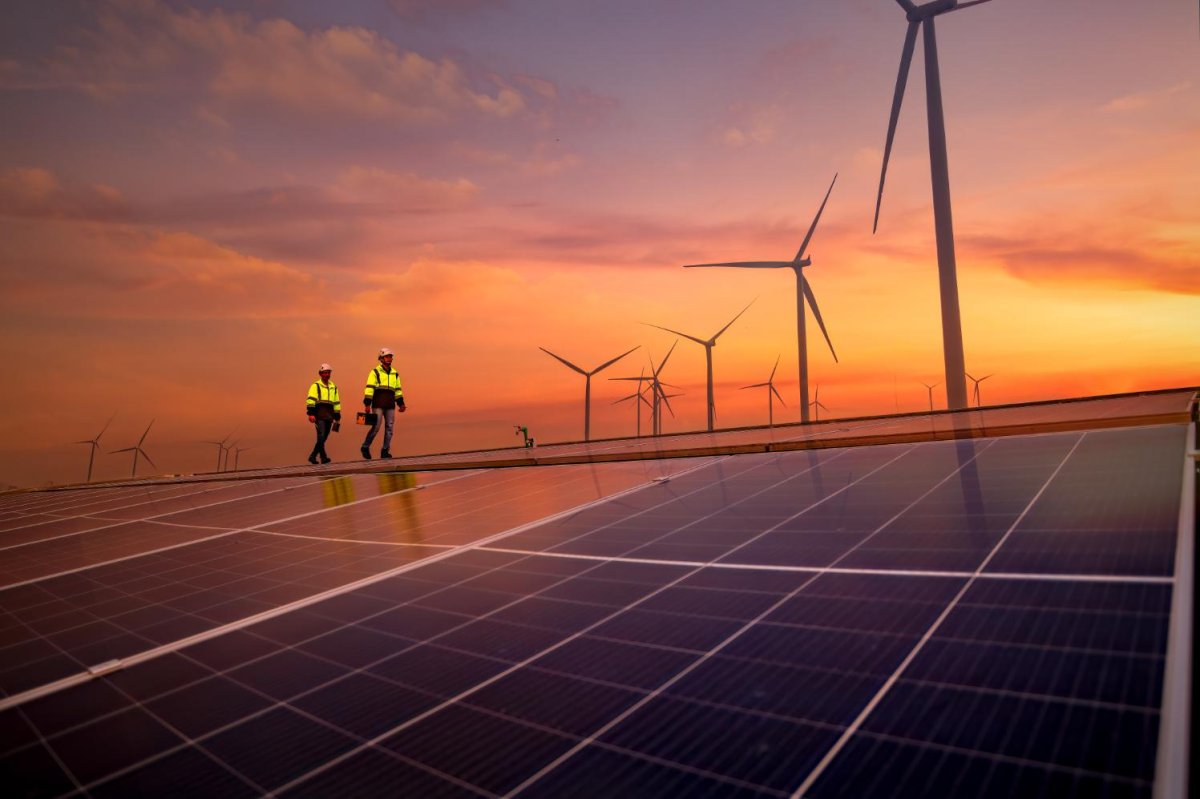
Solar, wind and other renewable-energy businesses can consider environmental aspects during project development, construction, operation, maintenance and eventual waste handling.
ISO 14001:2026 Certification for Chemical Industry
Chemical companies can address raw materials, chemical storage, wastewater, emissions, waste, resource consumption and emergency response.
ISO 14001:2026 Certification for Food Industry
Food and beverage businesses may focus on water, food waste, wastewater, energy, packaging, refrigeration and cleaning chemicals.
ISO 14001:2026 Certification for Pharmaceutical Industry
Pharmaceutical manufacturing and laboratory environments can have environmental considerations involving chemicals, water, energy, waste, emissions and production processes.
ISO 14001:2026 Certification for Healthcare Industry
Hospitals, clinics and laboratories may consider healthcare waste, water, energy, chemicals, wastewater and facility operations within their EMS.
ISO 14001:2026 Certification for Waste Management
Waste-management companies have environmental responsibilities directly connected with their core operations.
Collection, transportation, treatment, recovery, disposal, emissions and wastewater may form part of the EMS.
ISO 14001:2026 Certification for Water and Wastewater
Treatment facilities can address treatment processes, chemicals, sludge, energy, water quality and environmental monitoring.
ISO 14001:2026 Certification for Mining
Mining organizations and supporting contractors can address land use, extraction activities, water, energy, waste, emissions and rehabilitation.
ISO 14001:2026 Certification for Real Estate
Property developers and real-estate organizations can apply environmental management to development, construction, facilities and ongoing property operations.
ISO 14001:2026 Certification for Facility Management
Facility-management companies may deal with building energy, water, cleaning chemicals, maintenance activities, waste and contractors.
ISO 14001:2026 Certification for IT and Data Centres
Data centres and technology businesses can consider energy consumption, cooling, electronic equipment, e-waste and facility resource use.
ISO 14001:2026 Certification for Trading Companies
Trading organizations can build an EMS around offices, warehouses, packaging, procurement, logistics and other relevant activities.
ISO 14001:2026 Certification for Exporters
For Malaysian exporters, environmental certification can provide useful evidence of a structured environmental management approach when dealing with customers and supply-chain partners.
ISO 14001:2026 Certification Across Malaysia
ISO 14001:2026 Certification in Kuala Lumpur
Kuala Lumpur has organizations ranging from corporate offices and technology businesses to property companies, healthcare providers, construction groups and professional services.
Certification enquiries can come from businesses operating in:
- Kuala Lumpur City Centre
- KL Sentral
- Bangsar
- Bangsar South
- Mont Kiara
- Bukit Bintang
- Mid Valley City
The business activity—not simply the postcode—determines the appropriate EMS scope.
ISO 14001:2026 Certification in Selangor
Selangor contains a substantial concentration of manufacturing, logistics, industrial and commercial activity.
Key locations include:
- Shah Alam
- Petaling Jaya
- Subang Jaya
- Puchong
- Klang
- Sepang
- Cyberjaya
- Port Klang
ISO 14001:2026 Certification in Shah Alam
Manufacturing, automotive suppliers, engineering businesses, food manufacturers, construction contractors and industrial service providers can discuss certification.
ISO 14001:2026 Certification in Klang
Klang's manufacturing, warehousing, logistics and transportation businesses may seek certification to meet customer or operational requirements.
ISO 14001:2026 Certification in Port Klang
Freight, logistics, warehousing and port-related businesses can discuss their environmental management requirements.
ISO 14001:2026 Certification in Cyberjaya
Technology companies, data centres, facilities businesses and professional organizations can consider an EMS suited to their operations.
ISO 14001:2026 Certification in Penang
Penang is an important manufacturing and technology market.
ISO 14001:2026 certification in Penang can be relevant to:
- Electronics companies
- Semiconductor businesses
- Engineering firms
- Manufacturers
- Industrial suppliers
- Construction organizations
Locations include:
- George Town
- Bayan Lepas
- Bayan Baru
- Butterworth
- Seberang Perai
ISO 14001:2026 Certification in Bayan Lepas
Electronics, semiconductor, engineering and industrial businesses can discuss certification requirements.
ISO 14001:2026 Certification in Butterworth
Manufacturing, engineering, food, logistics and industrial companies can enquire about ISO 14001:2026 certification.
ISO 14001:2026 Certification in Johor
Johor has a broad industrial and commercial base.
Certification enquiries may come from:
- Manufacturing
- Automotive
- Engineering
- Construction
- Logistics
- Marine
- Chemical
- Industrial services
Major locations include:
- Johor Bahru
- Iskandar Puteri
- Pasir Gudang
- Senai
- Kulai
- Batu Pahat
- Muar
- Tanjung Pelepas
ISO 14001:2026 Certification in Johor Bahru
Manufacturers, construction contractors, engineering businesses, logistics providers and service companies can discuss their requirements.
ISO 14001:2026 Certification in Pasir Gudang
Chemical, manufacturing, engineering, marine, logistics and industrial organizations may have environmental requirements that make an EMS commercially relevant.
ISO 14001:2026 Certification in Senai
Manufacturing, electronics, warehousing and logistics companies can enquire about certification.
ISO 14001:2026 Certification in Melaka
Melaka's industrial and manufacturing base includes electronics, automotive, food processing, engineering and construction businesses.
Relevant locations include:
- Melaka City
- Ayer Keroh
- Batu Berendam
- Alor Gajah
ISO 14001:2026 Certification in Negeri Sembilan
Organizations in:
- Seremban
- Nilai
- Senawang
- Port Dickson
can discuss ISO 14001:2026 certification for manufacturing, engineering, construction, logistics and industrial activities.
ISO 14001:2026 Certification in Nilai
Manufacturing, pharmaceutical, engineering, warehousing and industrial organizations can enquire.
ISO 14001:2026 Certification in Perak
Businesses in Ipoh, Taiping, Batu Gajah, Kampar and Manjung can seek certification across manufacturing, engineering, food processing, construction, logistics and mining-related activities.
ISO 14001:2026 Certification in Kedah
Organizations in Alor Setar, Sungai Petani, Kulim and Langkawi can discuss environmental certification.
ISO 14001:2026 Certification in Kulim
Electronics, technology manufacturing, engineering and industrial companies can discuss certification according to their environmental scope.
ISO 14001:2026 Certification in Pahang
Relevant locations include:
- Kuantan
- Gebeng
- Bentong
- Temerloh
ISO 14001:2026 Certification in Gebeng
Chemical, petrochemical, engineering, maintenance and industrial businesses can discuss their EMS requirements.
ISO 14001:2026 Certification in Terengganu
Organizations in:
- Kuala Terengganu
- Kemaman
- Dungun
- Kerteh
can enquire about certification.
The region's oil and gas, marine, engineering, energy, construction and maintenance activities can involve a range of environmental considerations.
ISO 14001:2026 Certification in Kelantan
Organizations in Kota Bharu and Pasir Mas can discuss certification for manufacturing, food, trading, construction and service activities.
ISO 14001:2026 Certification in Perlis
Businesses around Kangar can enquire about certification for processing, manufacturing, construction, trading and service operations.
ISO 14001:2026 Certification in Sabah
Sabah's business environment includes construction, food processing, marine, energy, logistics, engineering and natural-resource-related activities.
Important locations include:
- Kota Kinabalu
- Sandakan
- Tawau
- Lahad Datu
ISO 14001:2026 Certification in Kota Kinabalu
Construction, engineering, logistics, healthcare, food and service organizations can discuss certification.
ISO 14001:2026 Certification in Sandakan
Food processing, manufacturing, marine and logistics businesses can enquire.
ISO 14001:2026 Certification in Tawau
Processing, food, construction, logistics and service companies can discuss their requirements.
ISO 14001:2026 Certification in Sarawak
Sarawak's energy, oil and gas, engineering, manufacturing, construction and marine sectors create a broad market for environmental management certification.
Important locations include:
- Kuching
- Miri
- Bintulu
- Sibu
ISO 14001:2026 Certification in Kuching
Manufacturing, construction, engineering, logistics, healthcare and service organizations can enquire.
ISO 14001:2026 Certification in Miri
Oil and gas, engineering, maintenance, marine and construction businesses can discuss certification.
ISO 14001:2026 Certification in Bintulu
Energy, petrochemical, engineering, construction and logistics organizations can discuss their environmental management requirements.
ISO 14001:2026 Certification in Putrajaya
Government-related service providers, facilities organizations, construction companies, technology businesses and professional-service organizations operating in Putrajaya can discuss an EMS appropriate to their activities.
ISO 14001:2026 Certification in Labuan
Labuan businesses involved in oil and gas support, marine services, engineering, logistics, construction and industrial activities can enquire about certification.
ISO 14001:2026 and Malaysian Environmental Requirements
Certification does not replace Malaysian environmental legislation.
A company must continue to comply with the laws, licences, permits and other obligations that apply to its operations.
Depending on the business, these may involve:
- Scheduled waste
- Industrial effluent
- Sewage
- Air emissions
- Water
- Chemicals
- Pollution
- Waste
- Environmental impact
- Land and development
- Other applicable environmental controls
The EMS provides a structured way to identify the obligations relevant to the organization and incorporate appropriate controls into the management system.
It is therefore important to distinguish between ISO certification and regulatory approval.
They are not the same thing.
ISO 14001:2026 for Malaysian Contractors
For a contractor, environmental performance can change with every project.
One site may involve earthworks and excavation. Another may involve demolition, infrastructure construction or industrial installation.
A contractor's EMS may therefore address:
- Site waste
- Dust
- Noise
- Fuel
- Water
- Chemicals
- Construction materials
- Subcontractors
- Environmental emergencies
- Site restoration
- Customer requirements
This can make ISO 14001:2026 a useful addition to a contractor's business credentials when customers or project owners request environmental certification.
ISO 14001:2026 for Malaysian Manufacturers
Manufacturers often have the widest range of environmental aspects within a single facility.
Raw materials enter the site, production takes place, energy and water are consumed, waste is generated and finished goods leave the facility.
An EMS can bring these activities into one structured framework.
Depending on the factory, this may involve:
- Raw materials
- Machinery
- Energy
- Water
- Chemicals
- Waste
- Emissions
- Wastewater
- Packaging
- Contractors
- Environmental monitoring
ISO 14001:2026 for Malaysian Exporters
Environmental expectations do not stop at Malaysia's borders.
International customers may ask suppliers about environmental management, sustainability practices and supply-chain controls.
For an exporter, ISO 14001:2026 certification can provide a recognized way of demonstrating that environmental management is being handled through a defined system.
It may therefore support supplier evaluation, procurement discussions and customer qualification where certification is requested.
ISO 14001:2026 for Malaysian SMEs
ISO 14001:2026 is not reserved for multinational corporations.
A Malaysian SME can consider certification when it needs to respond to a customer requirement, tender, supplier qualification condition, export opportunity or internal management objective.
The important consideration is proportionality.
The Environmental Management System should correspond to the organization's actual activities and environmental aspects.
ISO 14001:2026 for Tenders and Supplier Approval
Certification may become commercially important when a company is pursuing:
- Government tenders
- Construction contracts
- Infrastructure work
- Industrial projects
- Manufacturing contracts
- Oil and gas projects
- Engineering contracts
- Supplier registration
- Contractor prequalification
- Corporate procurement
- International supply agreements
If a specific tender is driving the certification decision, check the tender's exact wording before beginning the certification project.
That can prevent an organization from pursuing the wrong certification scope.
ISO 14001:2026 and Environmental Compliance
ISO 14001 certification should not be confused with a government environmental licence.
A company can have environmental legal obligations without holding ISO 14001 certification.
Conversely, having an ISO 14001 certificate does not automatically mean that every environmental law has been satisfied.
The value of the management system is in creating a repeatable method for identifying applicable obligations, managing environmental aspects, monitoring performance and improving controls.
That distinction is important when certification is being considered for a customer or tender.
ISO 14001:2026, Sustainability and Malaysian Business
Environmental management is increasingly tied to wider business expectations.
Companies are being asked questions about resource consumption, waste, climate-related risks, supply chains and environmental performance.
The 2026 edition brings stronger attention to areas such as climate change, biodiversity and resource efficiency.
For a Malaysian organization, this can make the EMS more useful as a business-management tool rather than simply a certification exercise.
ISO 14001:2026 and Climate Change
Climate-related conditions can influence organizations in different ways.
A manufacturing facility may consider energy use and changing operating conditions. A construction company may need to consider environmental conditions affecting projects. A logistics operation may face weather-related disruptions.
The relevant issues depend on the organization's context.
ISO 14001:2026 provides a framework for considering these environmental circumstances within the management system where they are relevant.
ISO 14001:2026 and Resource Efficiency
Environmental management is not limited to waste disposal.
A company may also look at how it uses:
- Electricity
- Fuel
- Water
- Raw materials
- Chemicals
- Packaging
- Other resources
Reducing unnecessary consumption can support environmental objectives while, in many cases, helping the organization control operating costs.
ISO 14001:2026 and Biodiversity
Biodiversity can become particularly relevant where an organization's operations, projects, facilities or supply chain interact with sensitive environmental areas.
The appropriate consideration depends on the organization's activities and context.
It should not be treated as a generic statement added to a policy simply because it appears in a standard.
Transition from ISO 14001:2015 to ISO 14001:2026
Organizations that already hold ISO 14001:2015 certification should discuss transition arrangements with their certification body.
The transition should consider the organization's current EMS, new requirements, environmental priorities and certification cycle.
A company already operating an established EMS may have a different transition workload from an organization starting from the beginning.
Selecting an ISO 14001:2026 Certification Body in Malaysia
Certification is a business decision, so the certification body should be selected carefully.
Consider:
- Certification scope
- Accreditation status where required
- Auditor competence
- Industry experience
- Environmental-sector knowledge
- Manufacturing experience
- Construction experience
- Multi-site capability
- International customer expectations
- Audit arrangements
- Certification requirements
Price matters, but it should not be the only deciding factor.
If certification is required as an accredited certification, the organization should verify the certification body's current accreditation and applicable scope.
Why Choose SCS for ISO 14001:2026 Certification?
SCS approaches certification around the organization's actual business.
A chemical manufacturer, textile company, construction contractor, logistics operator and software company will not have identical environmental concerns.
The certification discussion can therefore begin with straightforward information:
What does your company do?
Where does it operate?
How many employees and locations are involved?
What environmental activities are relevant?
Why do you need certification?
Is there a customer, tender or supplier requirement?
From there, SCS can discuss:
- Certification scope
- Industry requirements
- Locations
- Employee numbers
- Environmental activities
- Customer requirements
- Tender requirements
- Audit arrangements
- Certification timeline
- Certification cost
SCS supports enquiries across Malaysia, including Kuala Lumpur, Selangor, Penang, Johor, Melaka, Negeri Sembilan, Perak, Kedah, Pahang, Terengganu, Kelantan, Perlis, Sabah, Sarawak, Putrajaya and Labuan.
Ready to Start ISO 14001:2026 Certification in Malaysia?
If your company is searching for ISO 14001:2026 certification in Malaysia, you do not need to begin with a long technical explanation.
Tell SCS what your organization does, where you operate and what is driving the certification requirement.
Whether the reason is a customer request, tender qualification, contractor approval, supplier registration, export requirement or a decision by management to strengthen environmental controls, the certification route can be discussed around your actual business.
Looking to Get ISO 14001:2026 Certified?
Contact SCS to discuss your organization, environmental management requirements and certification scope.
https://scscertification.com/contactus.php
Enquiry for ISO 14001:2026 Certification
| UAE Office | Saudi Arabia |
|---|---|
| SCS Certification6th Floor Salaam Bldg,Office 9 Al Marakib St,Al Danah, Zone 1,Abu Dhabi, UAE. | SCS Certification (Partners)7713, King Abdulaziz Street,Al Dawasir, Dammam, 32416Kingdom of Saudi Arabia |
Need ISO 14001 Certification for Your Business?
Speak with our certification specialists to understand certification requirements, audit process, implementation timelines and accredited certification services.